Proprietary Blends and What They Conceal
The proprietary blend is the supplement industry's most elegant way of complying with disclosure rules while disclosing very little.
What a blend is
Several ingredients grouped under a name — "Joint Support Matrix," "Advanced Mobility Complex" — with one combined weight for the group. The individual ingredients are listed, usually in descending order of quantity, but their individual amounts are not.
Why it is legal
Labelling rules require ingredients to be disclosed and blends to carry a total weight. They do not require individual amounts within a blend. The stated rationale is protecting formulation intellectual property from competitors.
That rationale is not absurd. It is also true that the primary effect is preventing customers from doing arithmetic.
The arithmetic problem
Take a 500 mg blend listing six ingredients. It could be 450 mg of the cheapest one and 10 mg each of the other five. It could be evenly split. Both are consistent with the label, and no reader can tell which.
Descending-order listing helps slightly — the first ingredient is present in the largest amount — but "largest" could still be 90% or 20% of the total.
The related tricks
Fairy dusting. Including a recognisable premium ingredient at a token amount so it can appear on the label and in the marketing, while the blend's weight comes from something cheap.
Blend stacking. Several blends on one panel, each with its own combined total, multiplying the opacity.
Ratio extracts inside blends. The two techniques compound — an unstated amount of an extract whose active content is also unstated.
When a blend is defensible
Genuinely novel formulations where the ratio is the innovation. Traditional herbal preparations where the whole extract is the point. Products where the manufacturer publishes amounts elsewhere, such as a certificate of analysis, even if the panel groups them.
That last one is the useful test: a company confident in its formula will usually tell you the amounts if you ask.
What to do
- Treat blend contents as unverified rather than absent — you simply do not know
- Email the manufacturer and ask for the individual amounts. The response, including no response, is informative
- Prefer a fully disclosed four-ingredient formula over a twenty-ingredient blend
- Never pay a premium for an ingredient whose amount you cannot establish
The related failure on fully disclosed labels
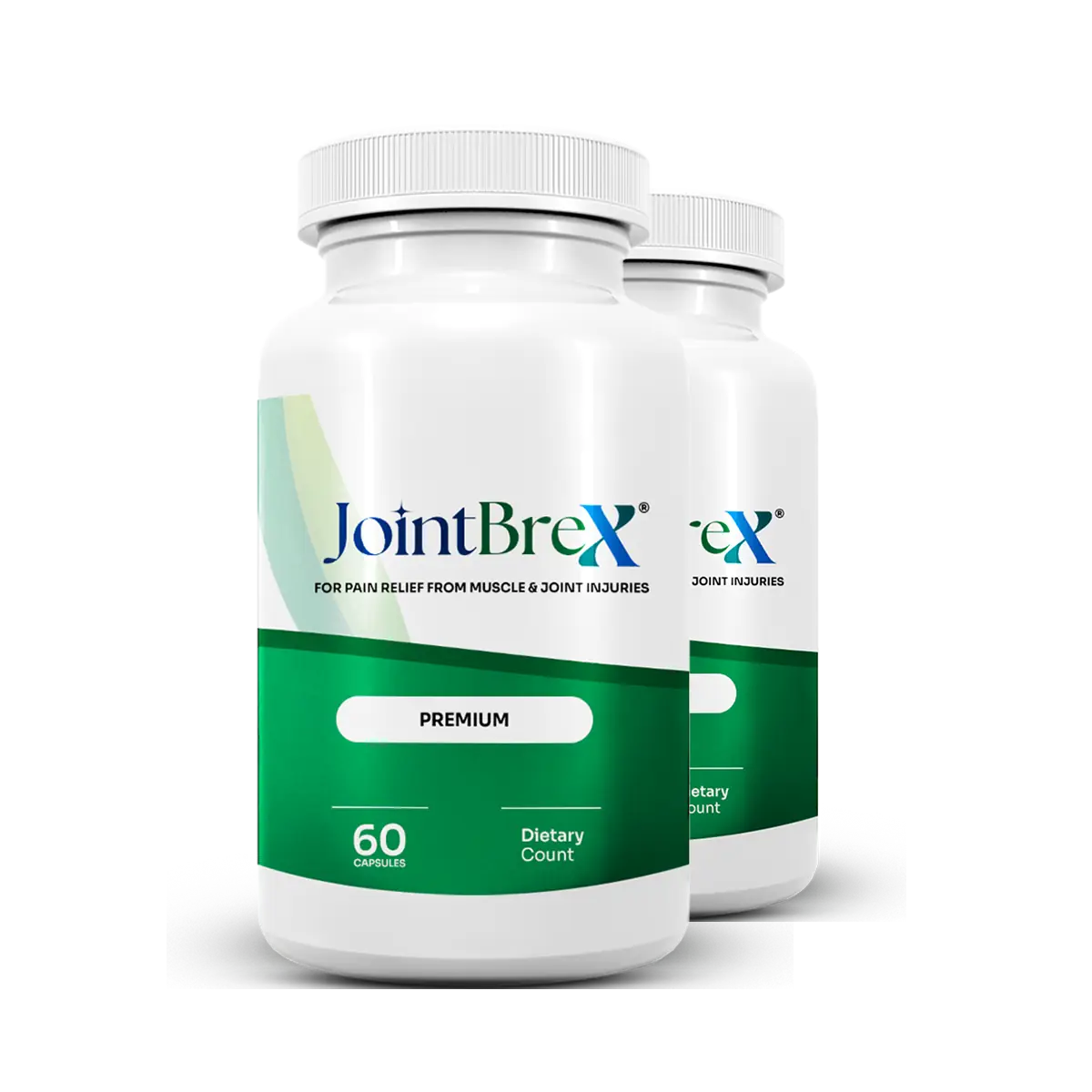
Worth noting that a label can disclose every amount and still be unquantifiable, if the extracts state ratios rather than standardisation percentages. JointBrex is an example: four lines, four milligram figures, and only one of them convertible into an actual active content.
Sources
See the Grades Before You Decide
We grade seven criteria and JointBrex passes two of them. If you have read the scorecard and still want to try it, our pricing page carries the current totals, the conflicting figures we found, and the interaction warnings.
Pricing & Warnings →