Turmeric and Curcuminoids: Graded C
This is the ingredient carrying the entire product, and it demonstrates how a genuinely good choice can still fail to add up.
Correct choice — yes, clearly
Curcumin is among the better-evidenced things anyone could put in a joint supplement. It has been tested in knee osteoarthritis across a number of randomised trials, several reporting reductions in pain and stiffness scores, and a few comparing favourably against NSAIDs on symptom measures with fewer gastrointestinal complaints.
The mechanism supports the choice. Curcumin interferes with NF-κB signalling and other inflammatory pathways and has antioxidant activity, and osteoarthritis has a genuine inflammatory component. This is not a decorative ingredient.
Defensible amount — no
Here the grade collapses. The panel lists two turmeric entries: a 4:1 root extract at 75 mg and an extract standardised to 95% curcuminoids at 30 mg. Together 105 mg of turmeric material.
The standardised portion yields 28.5 mg of curcuminoids — solid, because the percentage is printed. The 4:1 portion contributes an unstated amount; a generous reading puts the total somewhere around 35 to 40 mg per capsule.
The trials behind curcumin's reputation generally used 500 to 1,500 mg of curcuminoids daily.
Properly disclosed — partly
One of the two turmeric lines states its standardisation and one does not. A 4:1 ratio describes how much raw root went into the extract, not how much curcuminoid came out, and ratio extracts are generally far weaker on the active compound than standardised ones.
The effect is that 105 mg reads more impressively than the 28.5 mg you can actually verify. That is not deceptive on its face, but it is the kind of label construction that rewards a careful reader and misleads a casual one.
Why C rather than lower
Because the ingredient itself is right and the absorption problem was correctly handled with BioPerine. A product using turmeric powder instead of extract, or omitting the absorption enhancer entirely, would grade worse. This is a good idea executed at a quarter scale.
Safety notes
- Anticoagulants and antiplatelets — increased bleeding risk with warfarin, aspirin, clopidogrel
- Surgery — stop at least two weeks beforehand
- Gallstones or bile duct obstruction — turmeric stimulates bile production
- Diabetes medication — curcumin may lower blood sugar additively
- Liver — rare reports of injury with concentrated supplements, more often with high-absorption formulations
Worth stating plainly: more is not automatically better or safer. If you want a properly dosed curcumin product, that is a conversation to have with a pharmacist rather than a decision to make alone.
Sources
Other graded ingredients
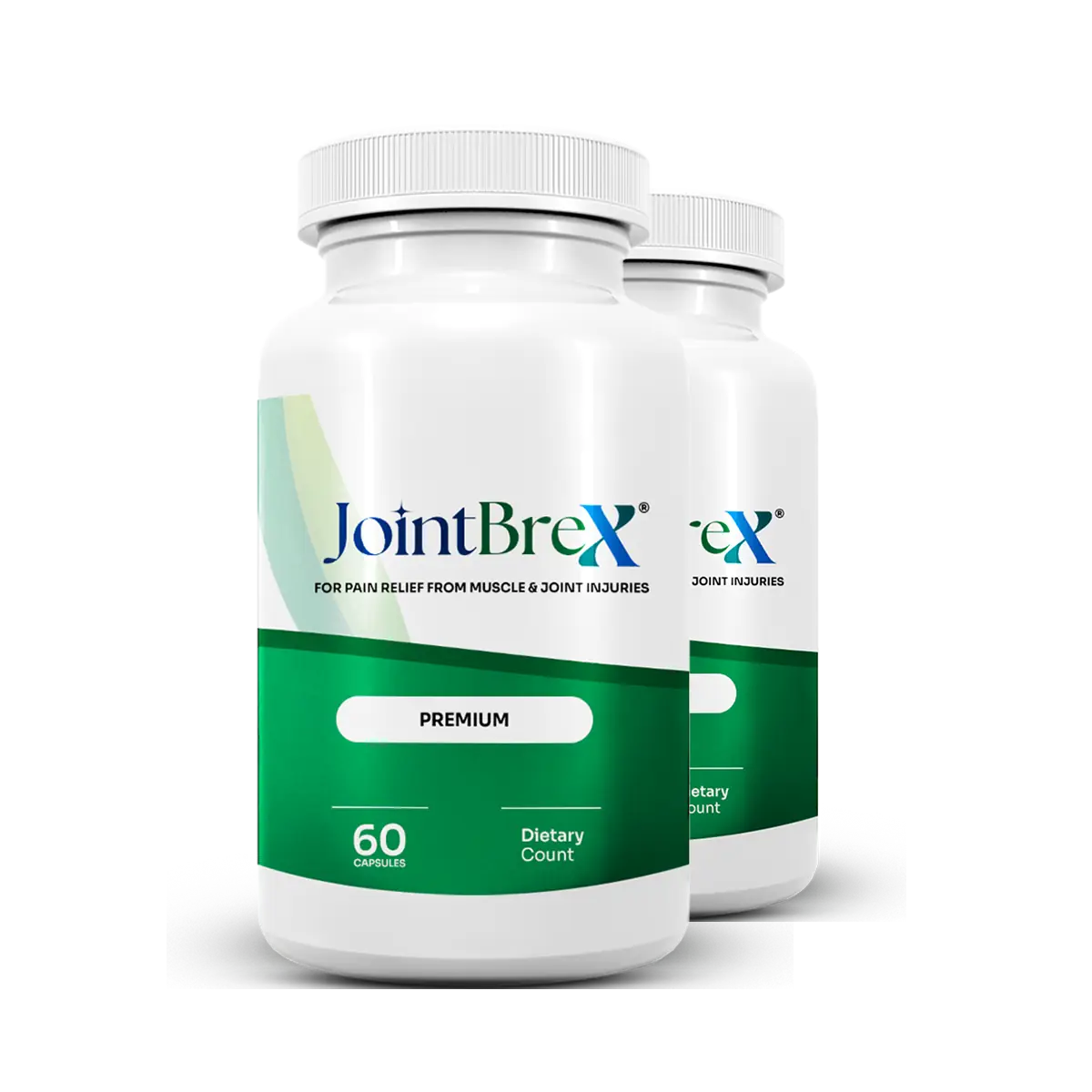
See the Grades Before You Decide
We grade seven criteria and JointBrex passes two of them. If you have read the scorecard and still want to try it, our pricing page carries the current totals, the conflicting figures we found, and the interaction warnings.
Pricing & Warnings →