BioPerine: Graded A
We grade ingredients on three things: is it the correct choice for the stated purpose, is the amount defensible, and is it disclosed properly. BioPerine is the one line here that clears all three.
Correct choice — yes
Curcumin's defining practical weakness is absorption. Taken alone it is poorly absorbed, rapidly metabolised, and quickly cleared, so most of an oral dose never reaches circulation in useful quantity. Any turmeric product that ignores this is discarding most of its own active ingredient.
Piperine, the alkaloid in black pepper, addresses it directly. It inhibits metabolic enzymes in the gut and liver that would clear curcumin prematurely, and affects intestinal transport in ways that improve uptake. The 1998 study by Shoba and colleagues in Planta Medica found roughly a twentyfold bioavailability increase in human volunteers.
Including it demonstrates that the formulator understood the actual bottleneck rather than simply listing a fashionable ingredient. That deserves credit on a label where other decisions do not.
Defensible amount — yes
Five milligrams of BioPerine is the conventional commercial dose, appearing in a great many well-regarded products. On a panel where the turmeric quantity falls far below studied ranges and the forskolin quantity cannot be determined at all, this is the one figure sitting exactly where it should.
Properly disclosed — yes
BioPerine is a branded, standardised extract, typically around 95% piperine. Naming the branded ingredient tells you what you are getting in a way that "black pepper extract" would not. This is the only line on the panel where the disclosure leaves nothing to guess at.
The caution that comes with the grade
An A on formulation is not an A on safety, and this ingredient carries the label's least-advertised risk. Piperine does not enhance absorption selectively — it inhibits drug-metabolising enzymes generally, and can raise blood levels of a wide range of medications. That effectively increases your dose without you changing anything you swallow.
It matters most for drugs with a narrow margin between effective and harmful. If you take any prescription medication, this warrants a pharmacist conversation before starting any piperine-containing supplement — and it is rarely mentioned prominently on the products that contain it.
Other notes
Some people find piperine irritates the stomach, and taking the capsule with a meal generally settles that. It can also compound the blood-sugar-lowering action of diabetes medication.
The awkward footnote
Good engineering applied to a small payload. Its function here is amplifying a curcuminoid dose that is far below what the research uses, and a twentyfold multiplier does not close a gap of that size. The ingredient earns its A; the formula does not inherit it.
Sources
Other graded ingredients
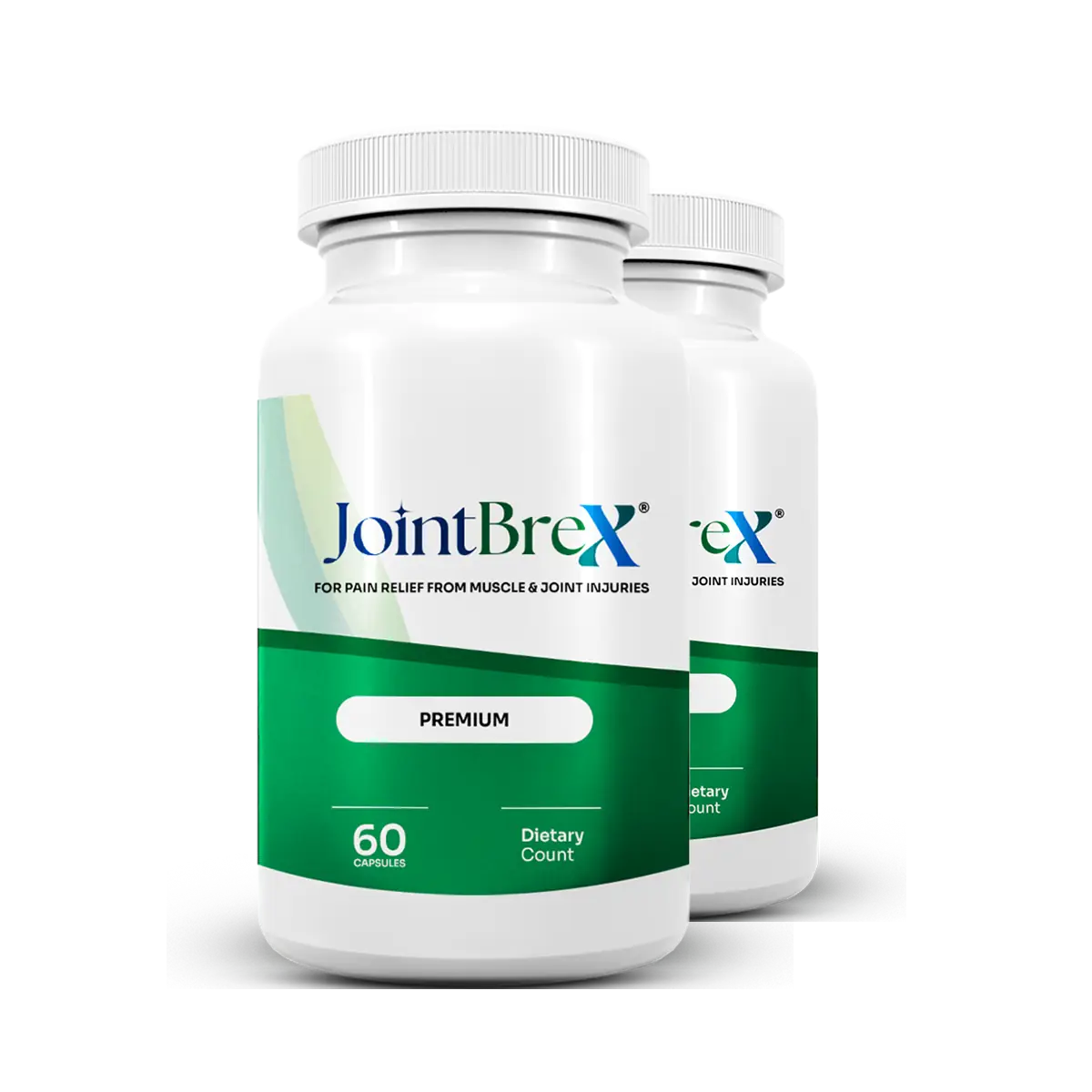
See the Grades Before You Decide
We grade seven criteria and JointBrex passes two of them. If you have read the scorecard and still want to try it, our pricing page carries the current totals, the conflicting figures we found, and the interaction warnings.
Pricing & Warnings →