The Ingredients, Graded Individually
Three tests per ingredient: is it the correct choice for the stated purpose, is the amount defensible against the research, and is it disclosed well enough to assess. One ingredient here clears all three.
Grade this alongside the scorecard
Ingredient grades are only part of the picture. The product's two failing grades — dose adequacy and label accuracy — concern the formula as a whole rather than any single line on the panel.
Supplement Facts
Servings Per Container: 30
| Amount Per Serving | |
|---|---|
| Turmeric (Curcuma longa) root Extract 4:1 | 75 mg |
| Turmeric (Curcuma longa) root Extract (95% curcuminoids) | 30 mg |
| Coleus Forskohlii Extract | 15 mg |
| Black Pepper (Piper nigrum) fruit Extract (BioPerine®) | 5 mg |
Other ingredients: Microcrystalline cellulose (MCC), Gelatin, Magnesium Stearate. Daily Value not established for any of the above. Transcribed from the product label supplied with this project.
Why two lines cannot be graded on amount
The 30 mg turmeric extract prints its standardisation — 95% curcuminoids — so it yields 28.5 mg and can be assessed.
The 75 mg turmeric extract prints a 4:1 concentration ratio, which describes the manufacturing process rather than the contents. The 15 mg Coleus Forskohlii prints neither a ratio nor a percentage.
Our working figure of 35 to 40 mg of curcuminoids per capsule is an estimate, and a deliberately generous one.
Three Ingredients, Three Grades
BioPerine® Black Pepper
Graded ARight compound, right dose, properly disclosed as a branded standardised extract. The only line on the panel that clears all three grading tests — with an interaction caution the label does not advertise.
See the grading →Turmeric & Curcuminoids
Graded CThe correct ingredient with genuine trial support, supplied at roughly a tenth to a fortieth of the amounts those trials used, with one of its two entries stating no active content.
See the grading →Coleus Forskohlii
Graded DWrong research base for a joint product, and 15 mg of an extract whose standardisation percentage is not printed — which makes the amount unassessable rather than merely small.
See the grading →The Five That Are Not There
We cannot grade what is not on the panel, but since much of the marketing rests on these, they need addressing.
Glucosamine and Chondroitin. The most-tested joint supplement combination there is. The NIH-funded GAIT trial, published in the New England Journal of Medicine in 2006 with around 1,600 participants, found neither reduced knee osteoarthritis pain significantly against placebo overall, though a moderate-to-severe subgroup showed possible benefit. European trials of glucosamine sulfate have generally been more positive than North American trials of the hydrochloride form, and industry-funded trials more positive than independent ones. Genuinely contested — and beside the point here, since the panel does not list it.
Boswellia Serrata. Reasonable osteoarthritis trials behind it, acting on the 5-lipoxygenase inflammatory pathway. Absent.
MSM. Several small positive trials for osteoarthritis pain. Absent.
Bromelain. A pineapple-derived enzyme with anti-inflammatory research. Absent.
Price and Availability
The manufacturer sets pricing and BuyGoods handles the transaction. Because the reference sales page publishes figures that contradict one another, read the checkout total carefully before paying.
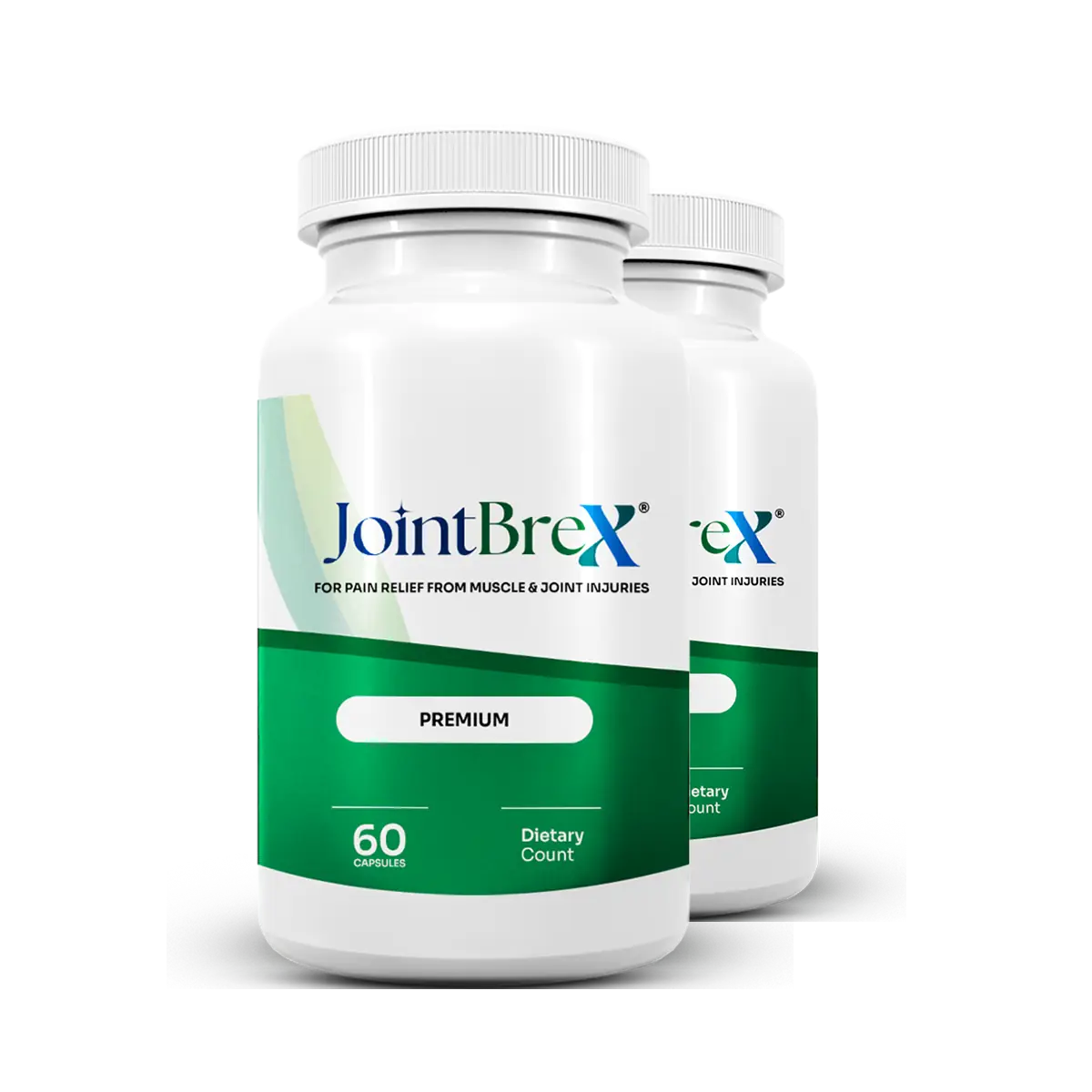
- Lowest per-bottle rate
- Includes the 5 digital bonuses
- 60-day guarantee
Ignore the crossed-out numbers when deciding. They are reference figures published by the manufacturer, and we found nothing showing the product has changed hands at them. "View Details" opens our pricing page and the official checkout link. We may earn a commission at no extra cost to you.
See the Grades Before You Decide
We grade seven criteria and JointBrex passes two of them. If you have read the scorecard and still want to try it, our pricing page carries the current totals, the conflicting figures we found, and the interaction warnings.
Pricing & Warnings →