The Placebo Problem in Joint Pain Research
If you want to understand why joint supplement research is such a mess, start with how strongly people improve on placebo.
The measurement problem
Pain has no external measure. Everything we know about whether a joint treatment works comes from asking people how they feel, usually on a numerical scale.
That makes the endpoint subjective in a way that blood pressure or cholesterol is not — and subjective endpoints are where placebo effects are largest.
Natural fluctuation on top
Osteoarthritis symptoms wax and wane. People have good weeks and bad weeks driven by activity, weather, sleep, and stress. Crucially, people tend to seek treatment during bad periods.
Regression to the mean does the rest. Start a treatment at your worst and you will probably feel better in three weeks whether or not the treatment does anything.
Why this shapes the literature
Placebo arms in osteoarthritis trials frequently show substantial improvement. That has two consequences worth understanding.
First, uncontrolled studies are close to worthless here — without a placebo arm you cannot distinguish treatment from expectation plus regression.
Second, real effects have to clear a high bar to reach statistical significance, which means genuinely modest but real benefits can fail to show up.
Why "mixed evidence" is so common in this category
A large placebo response, subjective endpoints, natural fluctuation, and small effect sizes together produce exactly what the glucosamine and chondroitin literature looks like — some positive trials, some negative, and reviews that disagree depending on which studies they include.
What it means for testimonials
It makes them close to uninformative. A person taking a supplement experiences the placebo effect, natural fluctuation, and whatever the supplement does, with no way to separate the three. Their report is honest and still cannot answer the question.
This is why our scorecard contains no satisfaction criterion.
The placebo effect is real, though
Worth saying, because dismissing it entirely misses something. Placebo responses in pain are genuine experiences involving real neurological processes, not imagination. Someone who feels better on placebo is actually feeling better.
That has ethical and practical complexity. But it does not change what a trial is for: establishing whether an ingredient adds anything beyond what an inert capsule already delivers.
The practical upshot
Weight randomised placebo-controlled trials heavily. Discount uncontrolled studies and testimonials almost entirely. Expect effects in this category to be modest even when real. And be sceptical of your own experience — you are subject to all of the same forces, and knowing that does not exempt you.
Sources
See the Grades Before You Decide
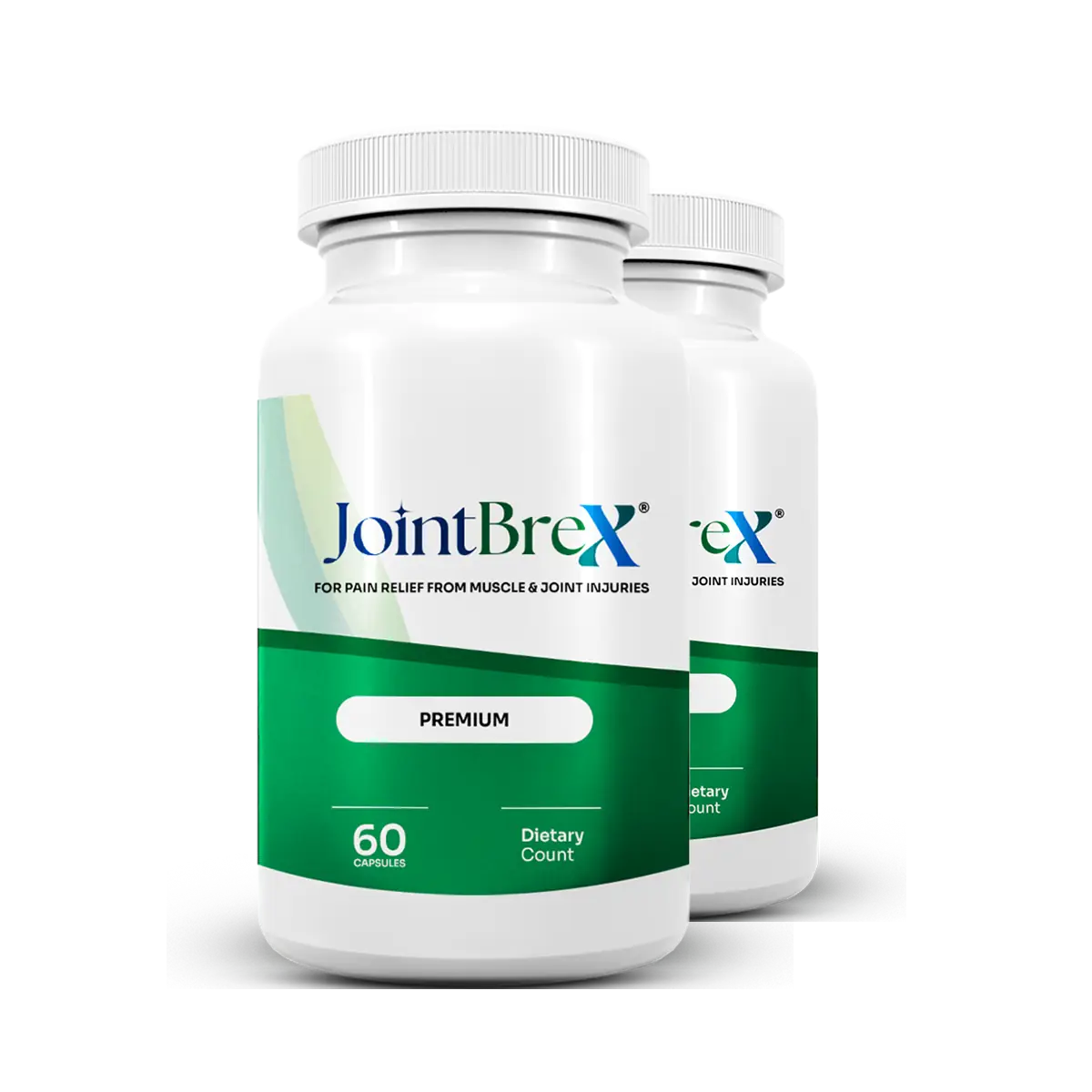
We grade seven criteria and JointBrex passes two of them. If you have read the scorecard and still want to try it, our pricing page carries the current totals, the conflicting figures we found, and the interaction warnings.
Pricing & Warnings →