What a Good Joint Supplement Actually Looks Like
Grading one product is only useful if the criteria travel. These seven apply to anything on the shelf, and most of the shelf fails several.
1. Every active carries a milligram figure
Sounds basic and a great many products fail it. Proprietary blends give one combined weight across several ingredients, making it impossible to know how much of anything is present. Sometimes there are legitimate formulation reasons. Often it conceals a generous dose of something cheap and a trace of the ingredient in the marketing.
2. Extracts state a standardisation percentage
The distinction that separates a knowable dose from an unknowable one. "Turmeric extract, 500 mg" tells you the weight of extract. "Turmeric extract (95% curcuminoids), 500 mg" tells you 475 mg of the compound the research studied.
Watch for ratio extracts written 4:1 or 10:1. These describe concentration during manufacture, not active content, and are typically much weaker than a standardised extract of the same weight.
3. The dose is in the range studies used
The check that eliminates most products. Look up what trials on the ingredient actually used, then do the arithmetic on the label. An excellent ingredient at a tenth of the studied amount is a label decoration.
4. Absorption is handled where it needs to be
Some ingredients have known bioavailability problems. Curcumin is the classic case — poorly absorbed alone, dramatically better with piperine. A turmeric product without an absorption strategy is discarding most of its own active ingredient.
The reverse caution applies too: absorption enhancement is increasingly used to justify small doses, and a twentyfold multiplier on a tiny amount is still a small amount.
5. The label matches the marketing
Open the Supplement Facts panel and confirm every advertised ingredient appears on it. This takes thirty seconds and almost nobody does it. When it fails, nothing else on the page can be trusted either.
6. Allergens and capsule material are disclosed in both places
Gelatin capsules are not vegetarian. Shellfish-derived ingredients matter to people with allergies. This information belongs on the sales page as well as the bottle, and its absence from one of them is a meaningful omission rather than an oversight.
7. Claims stay inside the law
Supplements may say a product supports normal function. They may not claim to treat, cure, or prevent disease. Language about eliminating pain, rebuilding tissue, or targeting the root cause of a condition has crossed that line — and a company willing to cross it on the front page is a company whose other claims deserve scepticism.
Using this as a filter
Run a product through all seven before considering price. Most will fail two or three, and you will have narrowed a confusing aisle to a handful of candidates in a few minutes — without needing to adjudicate any scientific argument.
Sources
See the Grades Before You Decide
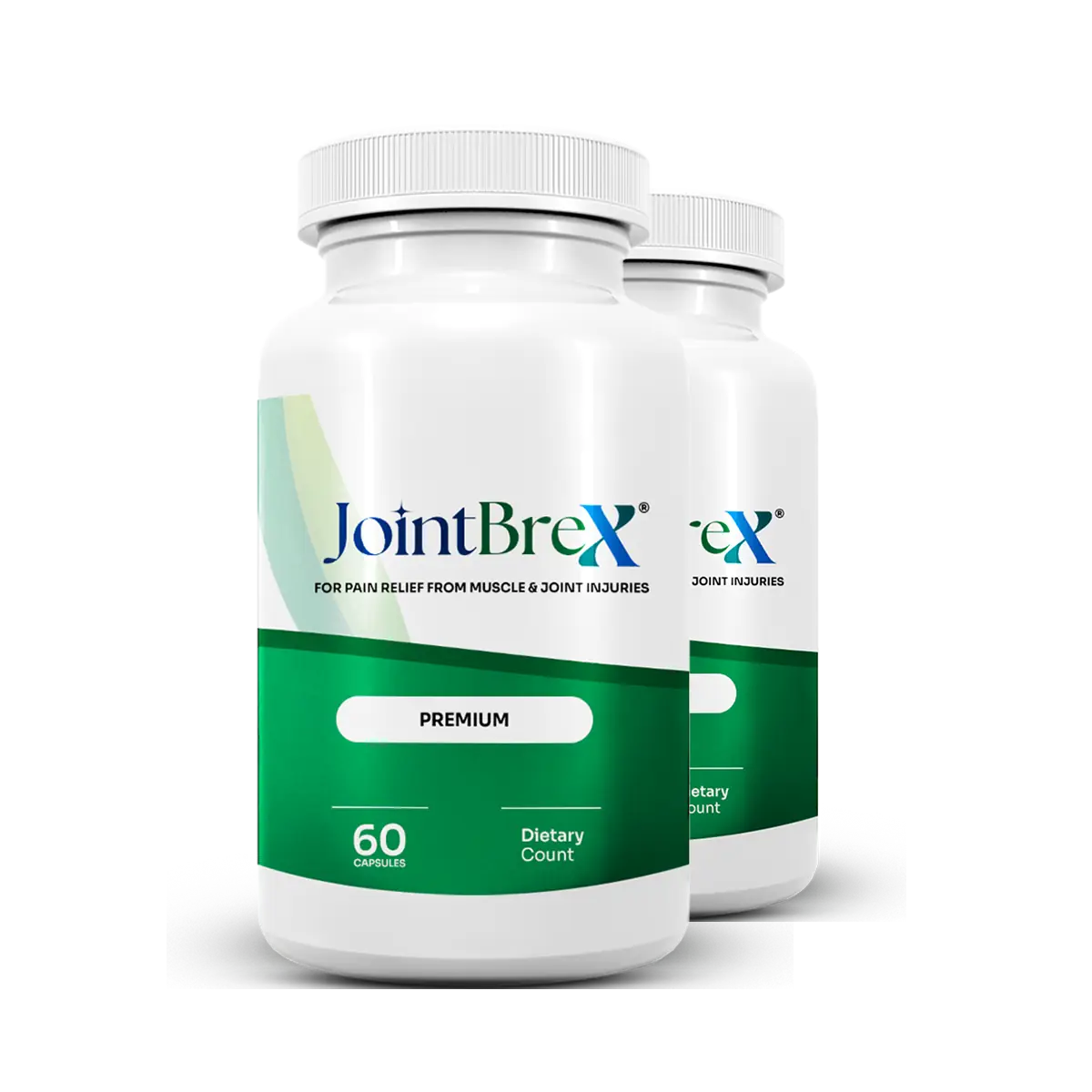
We grade seven criteria and JointBrex passes two of them. If you have read the scorecard and still want to try it, our pricing page carries the current totals, the conflicting figures we found, and the interaction warnings.
Pricing & Warnings →