When Natural Does Not Mean Safe
The word natural appears on almost every supplement label and tells you precisely one thing: where the ingredient came from.
The category error
Natural describes origin. Safe describes effect. Digitalis, atropine, and nicotine are all natural. Plenty of pharmaceutical drugs are plant-derived and nobody markets them on that basis.
The inference from natural to gentle is doing a great deal of unearned work in supplement marketing, and it is the reason a lot of people never think to mention supplements to their doctor.
Concentration changes everything
Turmeric in curry is food. A concentrated standardised extract taken daily is a different exposure entirely — that is the point of an extract. Once you concentrate an active compound, you have moved from culinary to pharmacological, and the safety profile moves with it.
The interactions that catch people out
Bleeding risk. Curcumin, high-dose fish oil, ginkgo, and garlic extract can all increase bleeding risk, and the effect compounds with anticoagulants like warfarin or with aspirin. This is also why turmeric supplements are stopped roughly two weeks before surgery.
Absorption effects. Piperine, present in most turmeric products, inhibits drug-metabolising enzymes and can raise blood levels of unrelated medications — effectively increasing your dose without you changing anything.
Blood pressure. Forskolin lowers it and can add to antihypertensives and nitrates.
Blood sugar. Several botanicals including curcumin may lower it, which matters alongside diabetes medication.
Enzyme induction. St John's Wort is the notorious example, affecting a wide range of drugs including some cardiac and contraceptive medications.
Organ effects do happen
Rare, and real. Concentrated turmeric supplements have been associated with liver injury in a small number of case reports, more often with high-absorption formulations — a reminder that better absorption is not automatically better.
The rarity matters and so does the fact that it is not zero.
Why supplements slip through
They are not prescribed, so no pharmacist sees them alongside your other medications. They are bought casually. And the natural framing makes them feel like food rather than something belonging on a medication list.
Surveys consistently find many patients never mention supplements to anyone on their care team, which is where most avoidable problems begin.
The habit worth forming
Keep one written list of everything you take — prescription, over-the-counter, and supplement — and show it to a pharmacist. It is free, takes minutes, and is exactly what they are trained for. Do it before you start something new rather than after.
None of this means avoid supplements
It means treating them as what they are: concentrated biologically active compounds that belong on your medication list and in your doctor's knowledge, rather than as groceries.
Sources
See the Grades Before You Decide
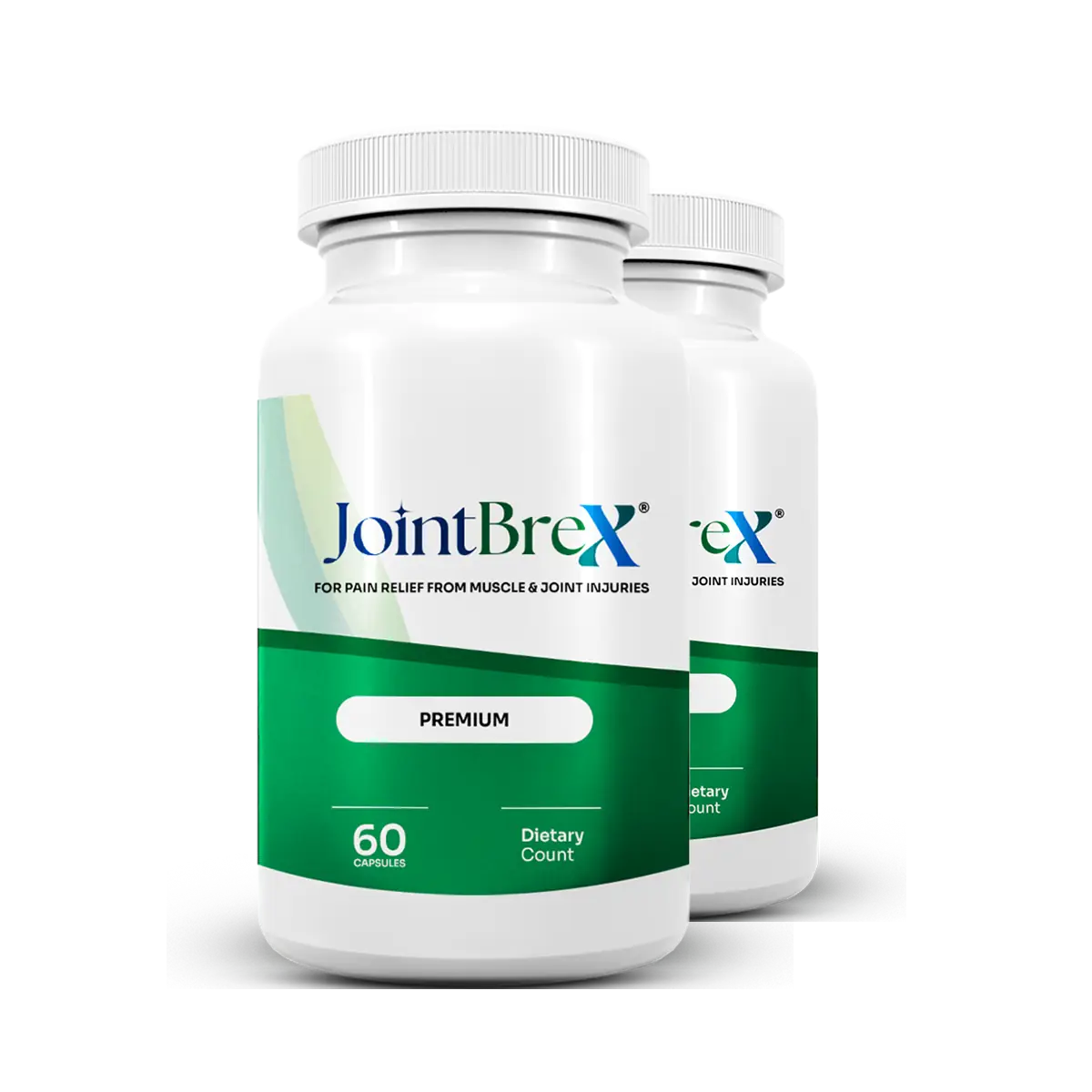
We grade seven criteria and JointBrex passes two of them. If you have read the scorecard and still want to try it, our pricing page carries the current totals, the conflicting figures we found, and the interaction warnings.
Pricing & Warnings →