The Joint Supplement Aisle, Ingredient by Ingredient
Before assessing any single product it helps to know the field. Here is what the common joint supplement ingredients actually have behind them.
Glucosamine and Chondroitin
The category's best sellers and its most tested. The NIH-funded GAIT trial, published in the New England Journal of Medicine in 2006 with around 1,600 participants, found neither reduced knee osteoarthritis pain significantly against placebo overall — though a moderate-to-severe subgroup showed possible benefit.
The literature since has stayed mixed. European trials of glucosamine sulfate have generally been more positive than North American trials of the hydrochloride form, and industry-funded trials more positive than independent ones. Very safe, genuinely contested, and oversold.
MSM
An organosulfur compound with several small randomised trials in osteoarthritis reporting modest improvements in pain and function. The studies are small and short, which is the standard caveat, but the direction is reasonably consistent. Generally well tolerated.
Boswellia Serrata
A resin acting on the 5-lipoxygenase inflammatory pathway, with a handful of osteoarthritis trials reporting benefit. Among the more interesting botanicals in this space, though trials are mostly small and some are industry-linked. Standardisation to AKBA content matters and is often unstated.
Turmeric and Curcumin
The best recent evidence in the category, with several randomised trials in knee osteoarthritis reporting reduced pain and stiffness, and a few comparing favourably to NSAIDs on symptom measures. The catch is dose — trials use 500 to 1,500 mg of curcuminoids daily, and most retail products deliver a fraction. Absorption is poor without piperine or an engineered delivery system.
Collagen
Popular, and mechanistically odd — ingested collagen is digested into amino acids like any other protein rather than delivered intact to cartilage. Some research on collagen peptides suggests specific fragments may have signalling effects, and there are trials reporting benefit. Treat the mechanism stories with caution and the evidence as preliminary.
Omega-3 fatty acids
Stronger evidence in rheumatoid arthritis, an autoimmune inflammatory condition, than in osteoarthritis. If your joint problem is inflammatory rather than wear-related, this is worth discussing with a doctor. Note the bleeding risk at higher doses alongside anticoagulants.
Bromelain
A pineapple-derived enzyme with anti-inflammatory research and some osteoarthritis studies. Modest evidence, generally well tolerated, occasionally used in combination products.
Vitamin D
Rarely marketed as a joint supplement and worth mentioning anyway. Deficiency is common and associated with musculoskeletal pain. Unlike most items on this list it can be tested for, which makes it the rare case where you can establish whether you actually need it.
The pattern across the whole aisle
Modest effects, small trials, subjective endpoints, and a large placebo response muddying everything. None of these ingredients is a fraud and none is a solution. They operate at the margins of exercise, weight management, and appropriate medical care — which is where the actual evidence lives.
Sources
See the Grades Before You Decide
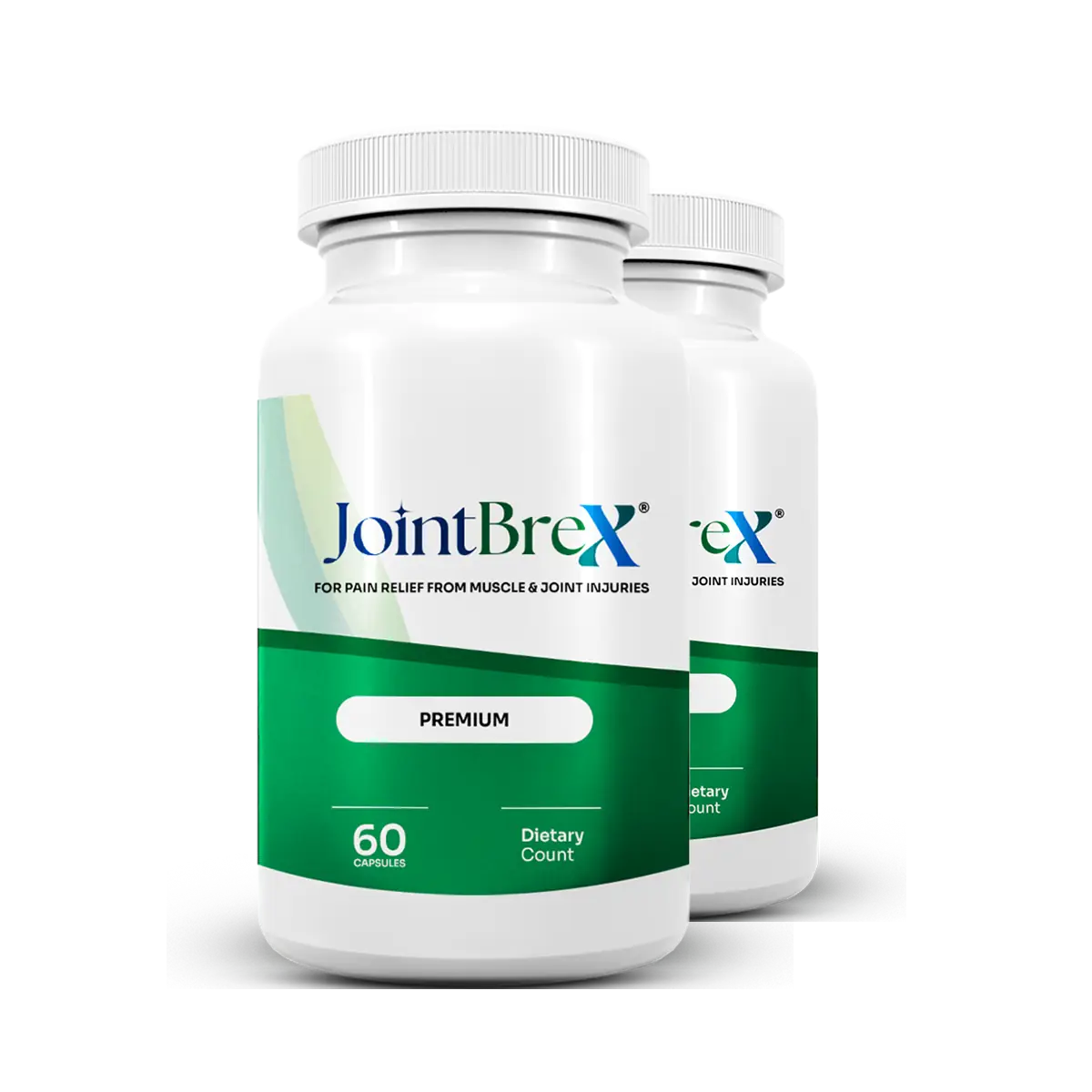
We grade seven criteria and JointBrex passes two of them. If you have read the scorecard and still want to try it, our pricing page carries the current totals, the conflicting figures we found, and the interaction warnings.
Pricing & Warnings →